Longer Stories and Scene Extensions
The goal is to carry a story beyond one clip. For example, a journey could continue from a station platform into a train carriage while keeping the traveler and direction of movement consistent.
Explore Kling 4.0 AI video creation through connected stories, expressive motion, and detailed scene direction. Discover creative approaches to short films, product reveals, and social videos, from the opening shot to the final moment.
See how image, video, and audio references can shape a creative brief, where a focused edit could improve a scene, and what to look for in character consistency, camera movement, and sound. Browse visual examples and practical workflows to plan your next project.
Kling 4.0 has not been released yet. In the meantime, explore Kling 3.0 for AI video creation.
Explore ideas for short films, product videos, and social campaigns, with a focus on connected stories and greater creative control.
Browse the capability areas, visual references, and project ideas below to shape your next video brief.
Explore four creative capability areas for Kling 4.0. Final features and supported controls await official confirmation.
The goal is to carry a story beyond one clip. For example, a journey could continue from a station platform into a train carriage while keeping the traveler and direction of movement consistent.
References communicate details that words alone can miss. For a performance scene, a portrait could define appearance, a rehearsal clip could guide movement, and an audio sample could establish rhythm.
A focused edit aims to fix one moment without rebuilding a sequence. For example, delay a door-closing sound while preserving the surrounding action and dialogue.
Scene direction defines what viewers notice. In an interior shot, a slow camera move toward a window and light from one side could reveal the room without distracting from the subject.
Plan projects that connect story, references, and revision—from a dialogue scene to a product campaign or a carefully staged production sequence.
Develop an arrival, a conversation, and a reaction as one story. Describe who speaks, where each person looks, and how the action continues across shots.
Pair product references with a reveal, a material close-up, and a demonstration. Define the shape, branding, and reflections to preserve when refining an individual shot.
Build variations around a shared cast, product, and visual style. Specify a different opening, voiceover, or final beat for each placement while keeping the campaign recognizable.
Use sketches or simple 3D layouts to communicate positions, entrances, and camera routes. Plan the timing and composition before committing to a live shoot or final render.
Combine wardrobe references with a performance brief: walk, pause, turn, and look back. Track the outfit, fabric movement, and facial expression as the camera changes position.
Turn a precise hand movement into a small narrative, from preparation to the finished detail. Plan close-up contact, material texture, and quiet sound cues that make the process feel tangible.
Study the subject, composition, and lighting in each scene. All footage on this page is illustrative; its generating model and settings have not been verified.
Window light draws attention to hands, fabric, and sewing tools. Use the close framing as a reference for a quiet workshop scene.
Fine tools and exposed gears suggest a precise, deliberate action. Plan a slow camera move that leaves the mechanism easy to see.
The steep rock face and distant mountains create a sense of scale. Consider how a subject stands out against a layered landscape.
Warm backlight and dense foliage establish an autumn mood. Use the color and depth as starting points for an environment brief.
Curved woodwork and patterned light guide the eye through the interior. Plan framing around the staircase’s leading lines.
Pink and cream flowers contrast with folded paper. A small hand movement can give a still-life composition a clear focus.
Prepare your project with these three steps. For a test today, adapt the brief to an available model and its supported controls.
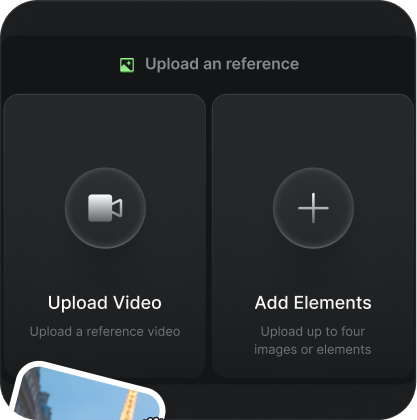
Outline the opening, main action, and ending. Label the materials for appearance, performance, camera direction, and sound, then select inputs supported by the tool you use.
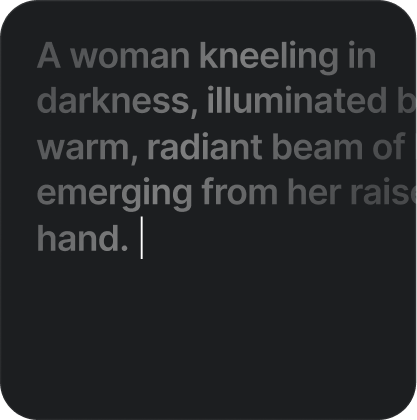
Describe what the camera sees, what happens, and how each shot ends. Add dialogue or sound cues at the relevant moment, and list the details to keep consistent.
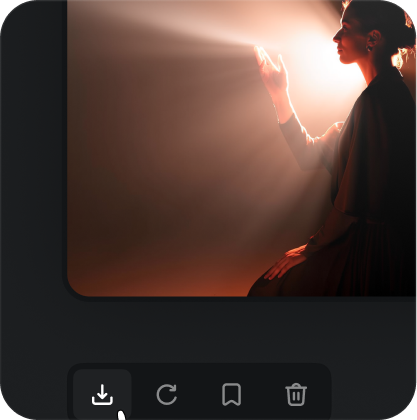
Check the full sequence before adding another beat. Mark the section that needs work, describe one revision, and preserve the successful details using the controls available.
Get credits to generate animated videos with Kling Motion Control AI. All plans include motion extraction and transfer, image-to-video animation (up to 30s), full-body motion accuracy, HD export, and one-time payment with credits that never expire.
Choose one-time credits • Flexible billing options
Taxes may apply based on your location and will be calculated at checkout.
Kling 4.0 is the video model covered by this coming-soon page. It is not available here yet. The page explores storytelling, reference control, and editing workflows; final model capabilities await official confirmation.
There is no verified feature comparison on this page. A useful comparison will cover output quality, character consistency, clip length, editing options, and cost per video. The Kling 3.0 page is linked above for users who want to explore the current version.
This website does not offer Kling 4.0 generation yet. You can visit the Kling 3.0 page or open the homepage for current Motion Control tools. A launch date and a working 4.0 entry point will be listed once confirmed.
Pricing, free trials, and credit costs remain unconfirmed. The credit packs shown here are for currently available Kling Motion Control tools. Purchasing a pack does not establish Kling 4.0 pricing or guarantee access to it.
Input formats, upload limits, maximum duration, resolution, and aspect ratios await official specifications. The sample videos and interface images on this page do not establish those limits.
This page does not confirm commercial-use rights for Kling 4.0. Before using an output for advertising or client work, review the terms of the service and plan you use, including restrictions on reference materials and generated content.
Bring your next video idea to life with Kling Motion Control.
While you wait for Kling 4.0, explore the tools available on our homepage and start creating with your images and motion references.